Advantage India
Robust
Demand
*India's insurance sector has witnessed significant growth, with the domestic market expanding at CAGR of 17% over the past two decades. It is projected to reach Rs. 19,30,290 crore (US$ 222.0 billion) by FY26. This growth has been driven by increased awareness, favorable regulatory changes, and greater participation from the private sector.
*Health insurance emerged as the largest segment in India’s non-life insurance market in FY25, accounting for 41% of gross domestic premium and overtaking motor insurance, reflecting rising healthcare awareness, higher medical costs and stronger demand for health coverage across the country.

Attractive
Opportunities
*On May 21, 2026, IRDAI proposed increasing the combined investment limit for insurers in REITs and InvITs to 6%, providing greater investment flexibility while supporting long-term capital deployment into India's infrastructure and commercial real estate sectors.
*Bots will become mainstream in both the front and back-office to automate policy servicing and claims management for faster and more personalized customer service.
*The rise of digital-only insurers and aggregator platforms is opening new avenues for reaching untapped customer segments, particularly millennials and rural populations. Platforms like IRDAI’s "Bima Sugam" are simplifying policy purchase and comparison
*India’s IoT insurance market is projected to reach Rs.1,83,120 crore (US$ 21.4 billion) by 2033, growing at nearly 55% annually.

Policy
Support
*On April 18, 2026, the Union Cabinet approved the Bharat Maritime Insurance Pool with a sovereign guarantee of Rs. 12,980 crore (US$ 1.47 billion), strengthening India's maritime risk coverage, reducing reliance on foreign insurers and enhancing resilience of the country's shipping ecosystem.
*Supported by the vision of “Insurance for All by 2047,” IRDAI’s principle-based regulatory reforms, GST relief on life and individual health insurance policies, and the Sabka Bima Sabki Suraksha Act, 2025, enabling 100% FDI, are strengthening policy support and improving ease of doing business in India’s insurance sector.

Increasing
Investments
*The IPO of LIC of India was the largest IPO ever in India and the sixth biggest IPO globally in FY22
*In February 2025, nine insurers, including HDFC Ergo and SBI General, have submitted IPO plans to IRDAI as part of a push to raise capital and strengthen governance in India’s insurance sector.
*At least six Indian reinsurance companies, plan to launch IPOs over this year and next, selling 10–15% stakes to raise capital and expand market presence.


IBEF Campaigns
MORE

Aatmanirbhar Bharat Utsav 2024
Union Minister of External Affairs, Dr. S. Jaishankar and Union Commerce an...
Case Studies
MOREThe Rise of India's Pathology Laboratories: Strengthening Quality and Safety in Healthcare

India has seen its healthcare system witness an impressive evolution in the last two decades because of the growth in healthcare infrastructure, incre...
SUV Dominance and the Future of Passenger Vehicles

India's passenger vehicle industry over the past two decades have been gone under significant changes. In particular, the market has been transfor...
Expressway Infrastructure Development Outlook in India
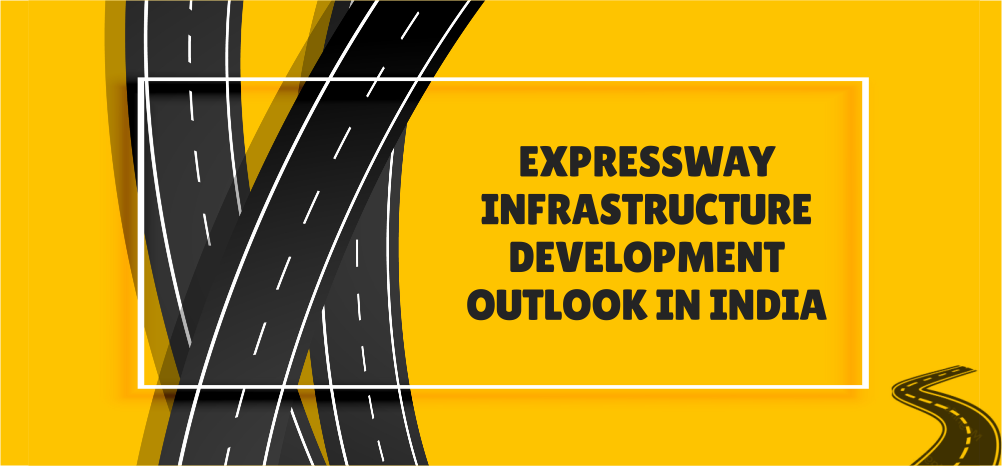
India's vision of becoming a Viksit Bharat by 2047 has positioned transport infrastructure as a cornerstone of its long-term economic growth strat...
IBEF BLOG
MORE
How Homestays Are Changing Accommodation Choices in India
The homestay market in India is developing into an important sector in the ...

Consumer Market in India: The Rise of Premium, Sustainable and Experience-Based Consumption
The consumer market in India is undergoing the process of transition fueled...

How Battery Technology Is Transforming the Electric Vehicles Market
Battery technology is emerging as a critical driver of India’s electr...
Partners