Advantage India
Robust
Demand
*In 2026 Office leasing activity is projected to remain robust, with net absorption levels expected to record near-about 55 MSF.
*Housing demand is projected to reach 93 million units by 2036, driven by a strategic shift towards higher value realisation, primarily led by growing buyer preference for high-end, luxury and ultra-luxury housing.
*In Q1 CY2026, foreign firms leased a record 9.1 million sq. ft. of office space across India's top nine cities, driven by REIT expansion, rising GCC activity and increasing adoption of flexible workspaces.
*In December 2025, the Reserve Bank of India (RBI) reduced the repo rate by 25 basis points to 5.25%, improving home loan affordability and supporting residential demand.

Attractive
Opportunities
*ICRA expects new project launches across the top seven cities to rise by 6-9% in FY2026, reaching around 620-640 million square feet
*Residential property prices increased across all eight major Indian cities during Q1 2026, recording annual growth of 3%–24%, led by Bengaluru (24%), followed by the National Capital Region (20%) and Hyderabad (11%), reflecting sustained housing demand and improving market fundamentals.
*Private market investor, Blackstone, which has significantly invested in the Indian real estate sector worth Rs. 3.8 lakh crore (US$ 50 billion), is seeking to invest an additional Rs. 1.7 lakh crore (US$ 22 billion) by 2030.

Policy
Support
*In December 2025, the RBI reduced the repo rate by 25 bps to 5.25%, improving housing affordability and supporting sustained growth in the residential real estate sector.
*The Union Budget 2026-27 emphasises infrastructure-led growth, with public capital expenditure increased in FY27 (2026–27) to Rs. 12.20 lakh crore (US$ 138.03 billion) from Rs. 11.20 lakh crore (US$ 126.73 billion) in FY26 (2025–26).
*In April 2025, the Securities and Exchange Board of India (SEBI) notified the REIT (Amendment) Regulations, 2025 to strengthen the regulatory framework for REITs. The reforms are aimed at improving governance, transparency, investor protection and broadening investment opportunities in India's REIT market.

Increasing
Investments
*As of October 2025, institutional investments of Rs. 36,348 crore (US$ 4.30 billion), coupled with increasing adoption of Real Estate Investment Trusts (REITs).
*India’s real estate sector reached a milestone in 2025, with institutional investments soaring to US$ 10.50 billion (Rs. 91,96,900 crore) across 78 transactions, led by a 52% surge in domestic capital contribution and sustained demand in office and residential segments, reflecting continued investor confidence despite global uncertainties.
*Private equity (PE) and venture capital (VC) investments totalled Rs. 455.73 lakh crore (US$ 49.30 billion) in the first 11 months of 2025, accounting for about 88.00% of the Rs. 519.93 lakh crore (US$ 56.20 billion) deployed in 2024, highlighting sustained investor momentum and faster capital deployment cycles, according to Anarock capital.

Real Estate Clusters
- Mumbai
- NCR
- Bengaluru
- Pune
- Chennai
- Hyderabad

Posters
MORE
THE GOLDEN SKY LINE
India is the leading real estate investment market in Asia. Construction margins in India are also double that of the world average - a perfect combination that makes India the most profitable construction market in the world.
IBEF Campaigns
MORE

Aatmanirbhar Bharat Utsav 2024
Union Minister of External Affairs, Dr. S. Jaishankar and Union Commerce an...
Case Studies
MOREThe Rise of India's Pathology Laboratories: Strengthening Quality and Safety in Healthcare

India has seen its healthcare system witness an impressive evolution in the last two decades because of the growth in healthcare infrastructure, incre...
SUV Dominance and the Future of Passenger Vehicles

India's passenger vehicle industry over the past two decades have been gone under significant changes. In particular, the market has been transfor...
Expressway Infrastructure Development Outlook in India
India's vision of becoming a Viksit Bharat by 2047 has positioned transport infrastructure as a cornerstone of its long-term economic growth strat...
IBEF BLOG
MORE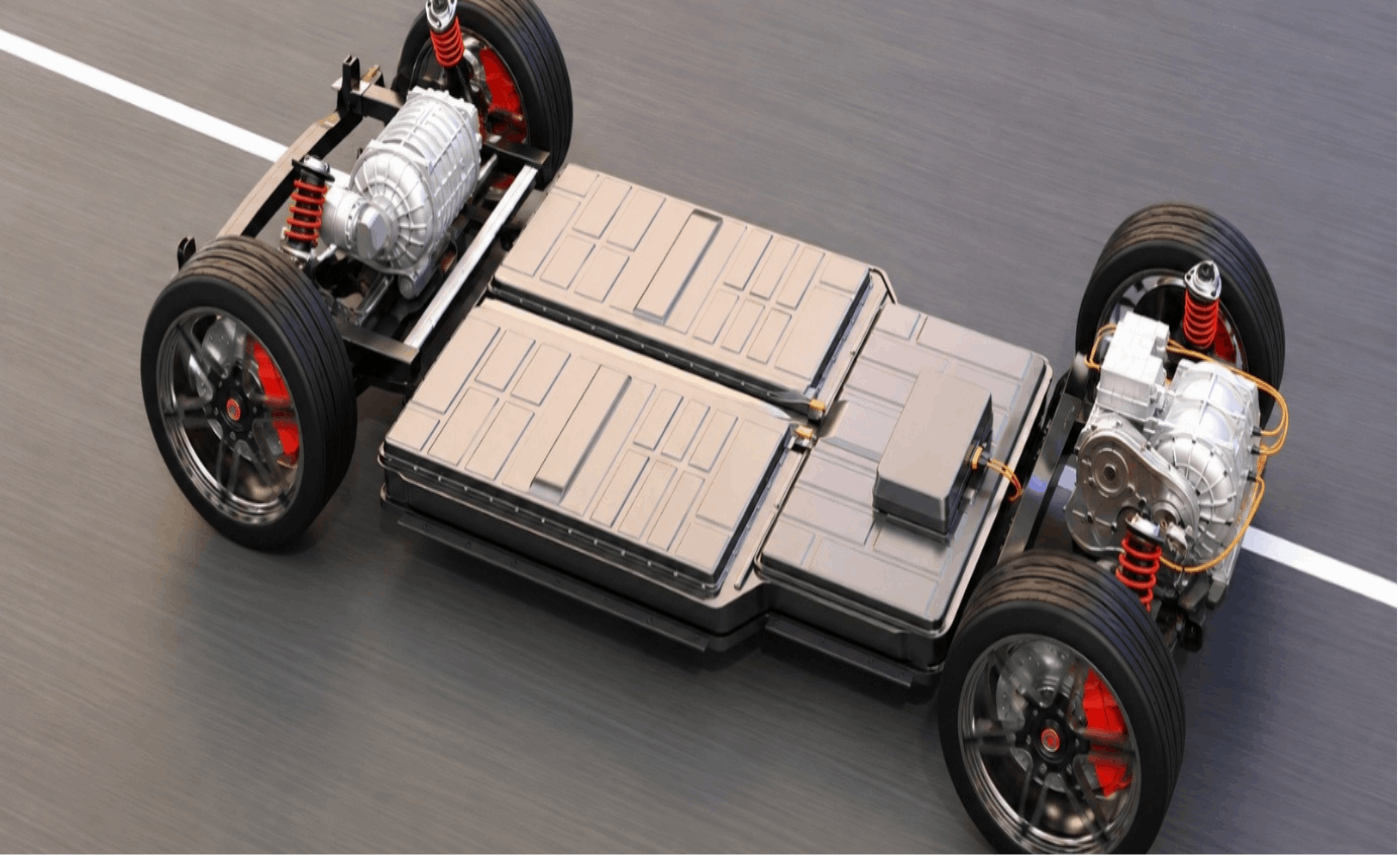
How Battery Technology Is Transforming the Electric Vehicles Market
Battery technology is emerging as a critical driver of India’s electr...

How Emerging Railway Food Services Are Improving the Passenger Experience
Indian railways food services have been witnessing a paradigm shift enabled...
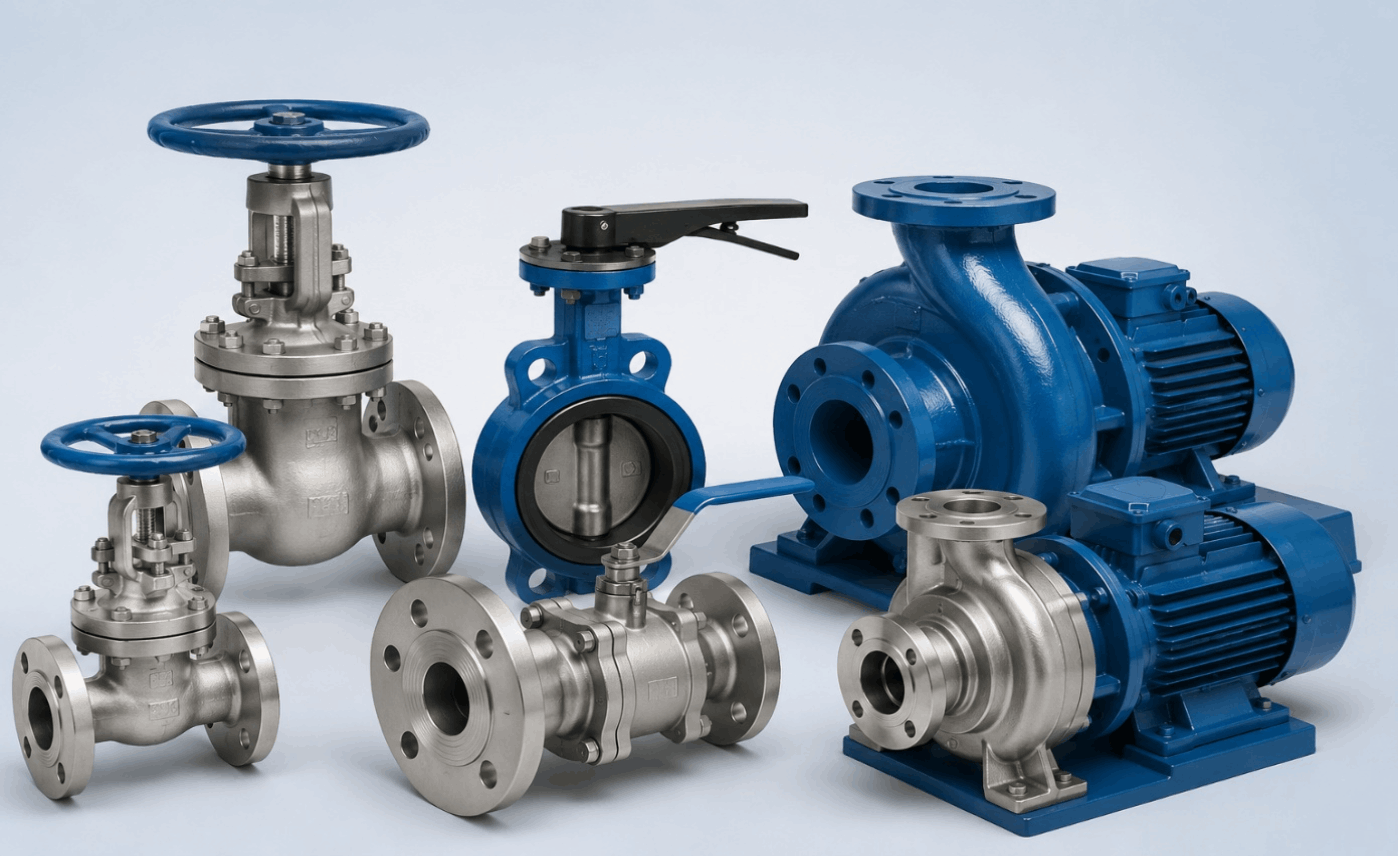
How India's Industrial Valve and Pump Industry Supports Infrastructure and Manufacturing
Pumps and industrial valves represent the basic building blocks of today&rs...
Partners