Advantage India
Robust
Demand
*India's Bureau of Energy Efficiency has circulated a draft of the forthcoming Corporate Average Fuel Economy (CAFE) III and IV standards for light-duty passenger vehicles to pertinent stakeholders for their feedback. These proposed standards pertain to model years 2027–2032 and 2032–2037, respectively, aiming for CO₂ emissions targets of 91.7 g CO₂/km and 70 g CO₂/km, as determined via the WLTC cycle.
*National Electric Bus Programme, The ambitious National Electric Bus Programme (NEBP), launched in 2022, seeks to deploy an additional 50,000 electric buses over five years.
*As of December 2025, India’s EV charging network has expanded rapidly, growing rapidly from FY22 to Q3 FY25. Public charging stations reached 29,151 by Q3 FY25, marking a strong 78% CAGR.

Opportunities
*The Assam state policy outlines ambitious targets for electric vehicles. It aims for a stock of 25,000 electric four-wheelers by 2026, with battery electric vehicles (BEVs) comprising 25% of all vehicle registrations in that year. Additionally, the policy targets 1,00,000 electric two-wheelers and 75,000 electric three-wheelers in stock by 2026. By 2030, 100% of government vehicles are to be converted to EVs, alongside 100% of new bus sales being electric.
*The Bihar Government has endorsed the Bihar Electric Vehicle (EV) Policy-2023, targeting a 15% incorporation of EVs in all vehicle registrations within the state by 2028.
*Opportunity for the EV sector lies with the establishment of 1.32 million charging stations in India by 2030, requiring 4,00,000 installations yearly.
*In September 2025, Union Minister Mr. Nitin Gadkari inaugurated India’s inaugural Hydrogen Highway, a pivotal initiative to advance green hydrogen adoption and integrate clean energy into long-distance freight transport. The project includes establishing hydrogen fueling stations along key national highway corridors.

Policy
support
*Under the SPMEPCI scheme, automakers will be allowed to import up to 8,000 electric vehicles into India at a reduced duty rate of 15%, as opposed to the prevailing 70-100% rates, on condition that they commit to investing Rs. 4,150 crore (US$ 500 million) in the domestic EV manufacturing sector.
*Under the PM e-Bus Sewa Payment Security Mechanism (PSM) Scheme, Rs. 3,435.33 crore (US$ 412 million) will support the deployment of over 38,000 electric buses across the country. By March 2026, 10,000 e-buses had been sanctioned across 26 states and union territories.
*In Phase-II of the FAME India scheme, the Ministry of Heavy Industries (MHI) approved a capital subsidy of Rs. 800 Crore (US$ 96.13 million) to set up 7,432 Electric Vehicle Public Charging Stations (EVPCS).
*A 100% customs duty exemption was granted on 25 critical minerals, including lithium and cobalt, essential for EV battery production.
*On July 29, 2025, DPIIT signed an MoU with EV maker Ather Energy to boost India’s EV and manufacturing startup ecosystem. The partnership will support deep-tech startups with mentorship and infrastructure in areas like battery tech, vehicle manufacturing, and clean energy.

Investments
*Hero MotoCorp is investing up to Rs. 275 crore (US$ 30.3 million) in electric vehicle manufacturer Euler Motors, strengthening its commitment to the electric three- and four-wheeler.
*Tata Motors is turning to a domestic battery strategy. The company is strengthening its position in the electric vehicle market with a US$1.5 billion investment in an Indian battery gigafactory, scheduled to commence production in 2026.
*India is emerging as a global hub for auto component sourcing and the industry exports expected to reach the target of US$ 100 billion by 2030.
*India’s auto component industry will see Rs. 25,000-30,000 crore (US$ 2.89-3.46 billion) investment in FY26 for capacity expansion and EV parts, after Rs. 15,000-20,000 crore (US$ 1.73-2.31 billion) in FY25, says ICRA
*On August 4, 2025, Vietnam’s EV maker VinFast has opened its first overseas plant in Thoothukudi, Tamil Nadu, marking its third facility globally. The project involves a phased investment of Rs. 16,000 crore (US$ 1.83 billion), with Rs. 4,300 crore (US$ 490 million) committed in the initial phase.

IBEF Campaigns
MORE

Aatmanirbhar Bharat Utsav 2024
Union Minister of External Affairs, Dr. S. Jaishankar and Union Commerce an...
Case Studies
MORESUV Dominance and the Future of Passenger Vehicles

India's passenger vehicle industry over the past two decades have been gone under significant changes. In particular, the market has been transfor...
Expressway Infrastructure Development Outlook in India
India's vision of becoming a Viksit Bharat by 2047 has positioned transport infrastructure as a cornerstone of its long-term economic growth strat...
The Rise of Contract Manufacturing in India's Electronics Sector
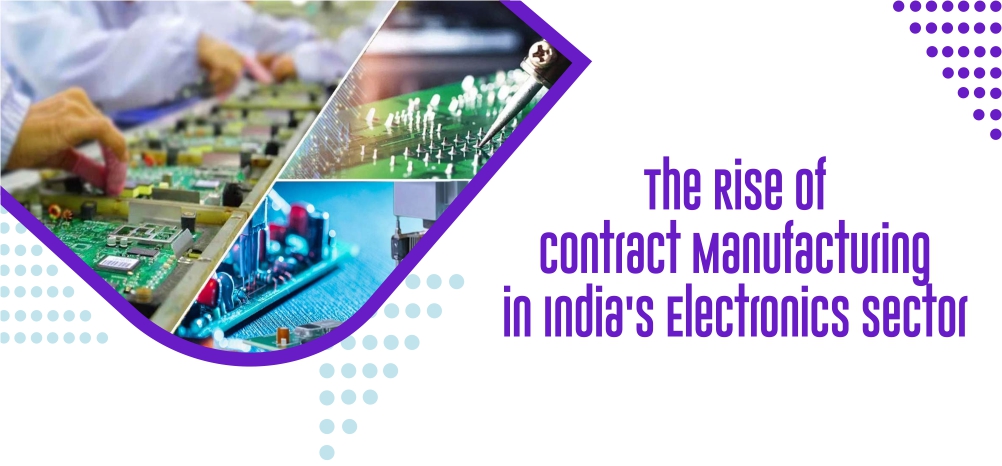
India's rise to become a large center for electronics manufacturing services is one of the most significant manufacturing changes in India's r...
IBEF BLOG
MORE
India's Content Economy: Building Global Audiences Through Digital Entertainment
The digital entertainment ecosystem in India is currently experiencing a fu...
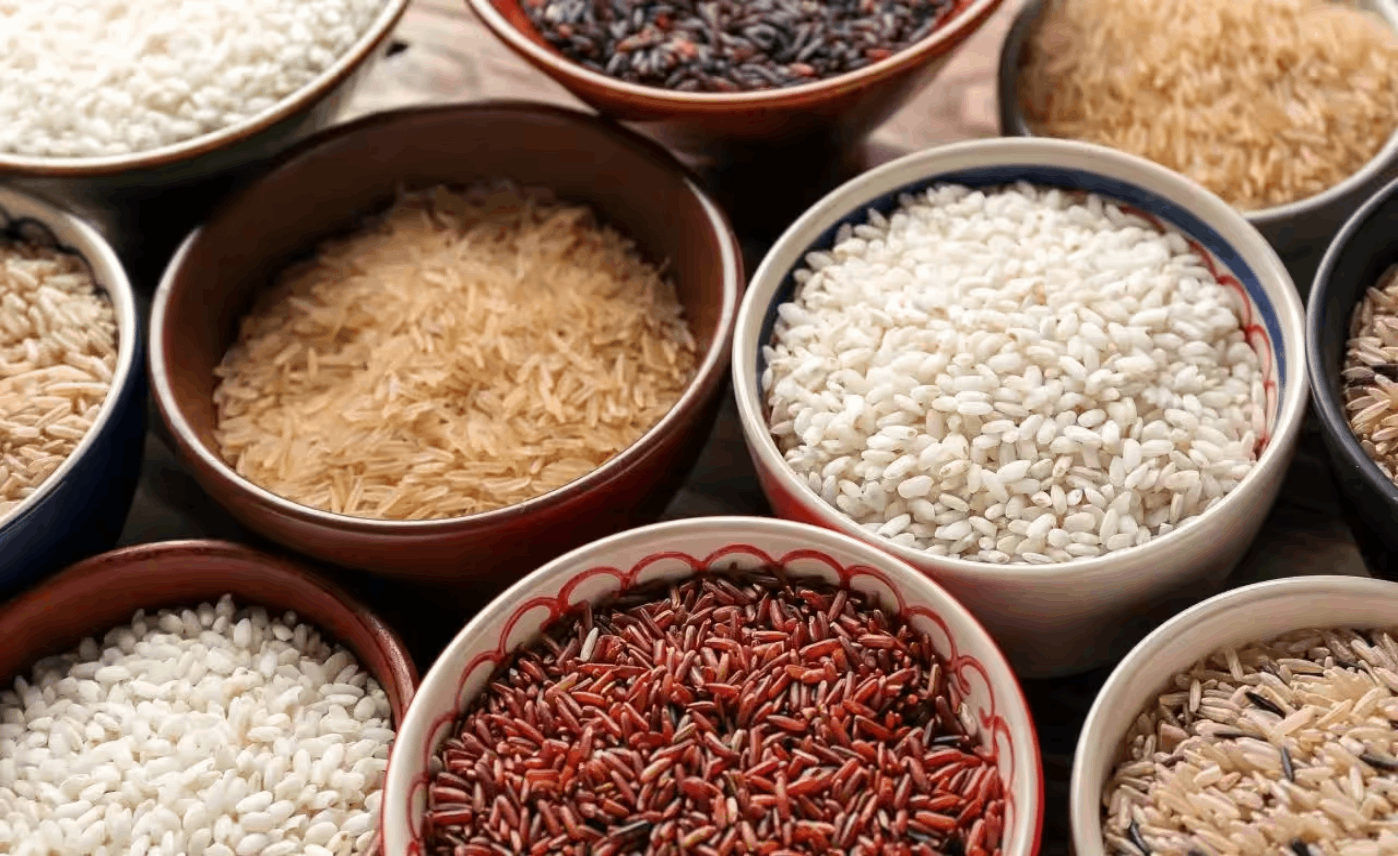
Popular Rice Varieties in India: Market Landscape, Key Varieties and Growth Opportunities
Rice is one of the agricultural products which is of importance in India, a...

How the Coffee Board of India Supports Coffee Farmers and Exports
Coffee forms an important crop for Indian plantations, providing a living t...
Partners